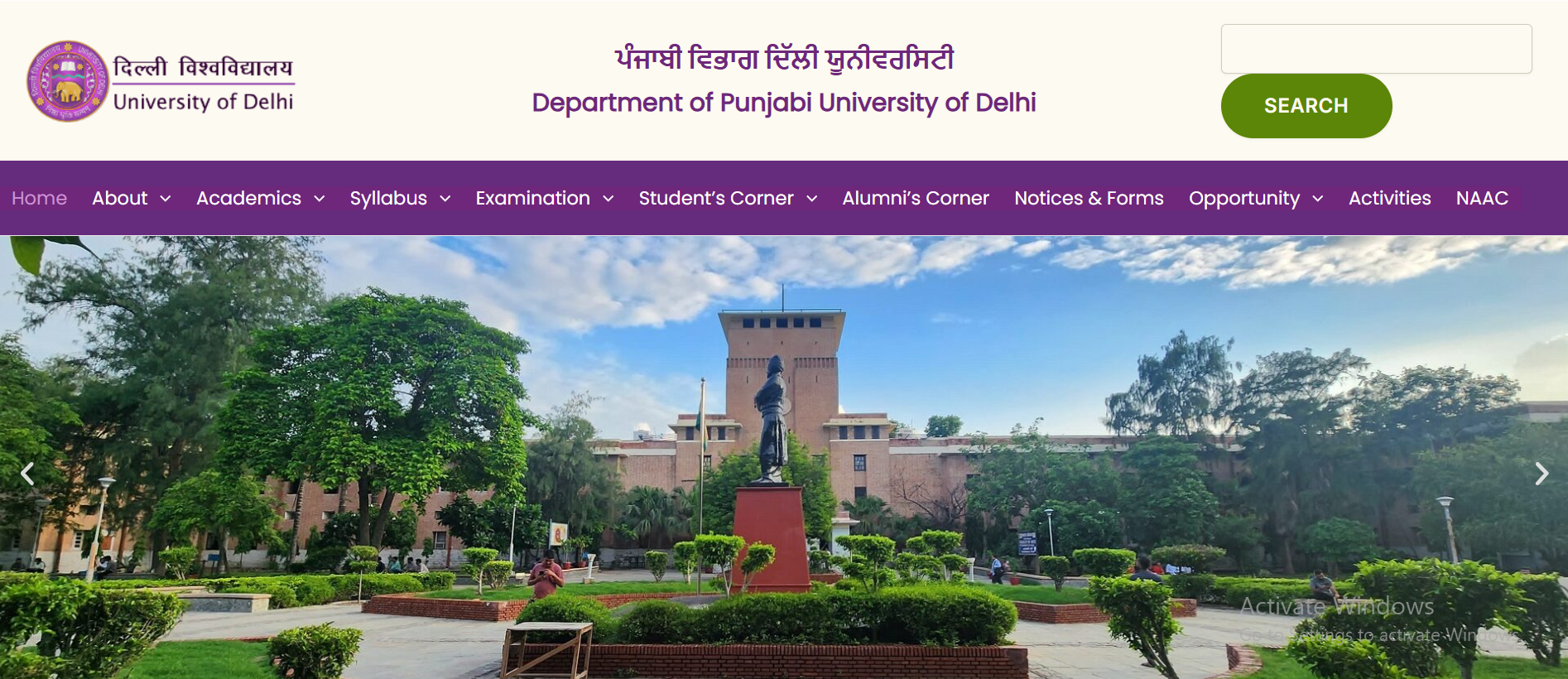
Slow Loading Issue: The site suffered from high bounce rates due to slow server response times and unoptimized assets.
Accessibility Issues: Academic documents (PDFs) were slow to render, causing friction for students seeking immediate information.
Responsive Limitations: The site lacked mobile-first design, making it difficult for the growing number of mobile-reliant users to navigate course materials and notices.
Operational Complexity: The underlying structure made routine updates cumbersome for staff, leading to outdated content.
The Solution: A Systems Integration Approach
WordPress Migration: We transitioned the site to a robust WordPress framework, chosen for its ease of use for administrative staff and its superior content management capabilities.
Caching & Optimization: Implemented advanced caching and image compression protocols to drastically reduce Time to First Byte (TTFB).
Mobile-First Interface: Re-engineered the UI/UX to ensure a seamless experience across all devices, prioritizing readability and accessibility for academic stakeholders.
UX Simplification: Architected a new site map and navigation structure that reduces the "clicks-to-content" ratio, allowing users to find circulars, faculty details, and academic resources faster.
The Results
Performance: Page load speeds improved by 30%.
Efficiency: Document access times were slashed, ensuring students receive information without technical delays.
Responsiveness: Achieved 100% device compatibility, significantly increasing engagement from mobile users.
Usability: Administrative staff can now update notices and upload PDFs in seconds, ensuring the site remains a reliable source of real-time information.
WordPress & Webflow Website Designer
Typically replies within minutes
Any questions related to case study deptt of punjabi?